
Ventures / Programs
Co-Build.
You have the domain. The market insight. The founder's intuition. What you don't have, yet, is a product team. Co-Build is Sprout's engagement model for founders who want to ship a real product in months, not a wireframe, not a demo, a production v1, without spending the first 18 months hiring a team. We bring the full product-engineering stack (product, design, engineering, QA, DevOps) and co-build alongside you, with equity and cash economics legible to a reasonable third party on day one.
The product team you haven't hired yet
A co-build engagement starts with a shared commitment: we're building a real venture, not a prototype. You hold the domain and the strategy. We hold the product, design, engineering, QA, and DevOps capacity. Over 3–6 months we ship the product, validate with real users, and set up the conditions for either scaling or a clean exit. Economics are a mix of cash (for our team's time) and equity (for the risk we take alongside you). The exact mix depends on stage, scope, and how much of the cash you want to preserve for the next 12 months of runway. We put it in writing before we start.
Founder + Studio shared responsibility over time
A horizontal timeline from Month 1 to Month 6 with two parallel swim-lanes: founder responsibilities (domain validation, customer interviews, fundraising, first hires) and Sprout Studio responsibilities (product scoping, core build cycles, production hardening, launch). A visible handoff ramp at Month 6 shows Sprout stepping down as the founder's own team ramps up. Coming soon.
How a Co-Build actually runs
Four phases over 3–6 months. Structured, but never ceremonial.
Scope
Two weeks. We understand the venture, the domain, the founder's working style, and the product's first real user. We write a scope document together covering: the product's first launched capability, the team composition, the cash + equity economics, governance (decision rights and founder approvals), and the exit conditions on both sides. We sign before we start.
Build
Months 1–4. Product, design, engineering, QA, DevOps shipping together. Weekly founder demos. Production-grade code, not prototype code. This is the product, not a placeholder for it. We target measurable usage signal by the end of Month 3.
Launch
Month 5–6. Production launch, instrumentation, first 100 real users, feedback loops live. Founder's go-to-market motion kicks in. Sprout shifts from primary builder to stability and first-iteration partner.
Handoff or Continue
Month 6+. Two paths. One: founder builds their own engineering org and Sprout transitions to technical advisor / augmented-team partner. Two: Sprout continues as the embedded engineering team under an augmented-teams structure. Either is valid. The path is agreed in the original scope.
What we build with founders
Four disciplines Sprout brings to the co-build, from scope through launch.
Product & Engineering Team (The Core)
A full Sprout product team, PM, designer, engineers, QA, DevOps, scaled to the scope. Senior-led. Embedded with the founder through the whole engagement.
Architecture & Platform Decisions
The technical decisions that compound or constrain the next 3 years. Stack choice, data model, integration patterns, auth and payments, observability. Designed with scale horizon in mind, not just MVP shipping.
Compliance-Ready from Day One
For ventures in regulated sectors (fintech, health, education), we design for the relevant regulators (OJK, BI, UU PDP, BPJPH, SATUSEHAT) from the first architecture review, not as a post-launch retrofit.
Go-to-Market Product Decisions
Onboarding flows, first-user experience, activation loops, retention patterns: the product-level decisions that shape early growth. We instrument, measure, and iterate alongside the founder's GTM.
Co-Build in action
Ventures where Sprout was the product team from day zero. Where the proof lives.
0% commission marketplace to 150k+ sellers in three weeks
We co-built the product behind an Indonesian zero-commission UMKM marketplace. Product, design, engineering, DevOps, from scope through public launch. The platform onboarded 150,000+ sellers in its first three weeks (June 2025) and continues as an anchor in Sprout's UMKM thesis.
The 30–50% equity range is the global norm
Venture studios globally (Atomic, Human Ventures, Pioneer Fund, BCG Digital Ventures) typically take 30–50% equity in co-built ventures, reflecting the capital + team + risk bundle they contribute. Sprout's co-build economics fit within this range, structured transparently on day one.
Studios are growing faster than accelerators
The venture-studio model, capital paired with operational team depth, grew to 1.9x the rate of accelerators among new VC fund launches in 2024. For founders choosing who to partner with, the question is no longer "studio or accelerator" but "which studio."
What's trending in co-build
View all insights →
AI Integration from Day One: A Domain Expert's Guide to Building Future-Proof Products
How to leverage embedded engineering leadership and a regional venture ecosystem to build intelligent, scalable software without writing a single line of code.
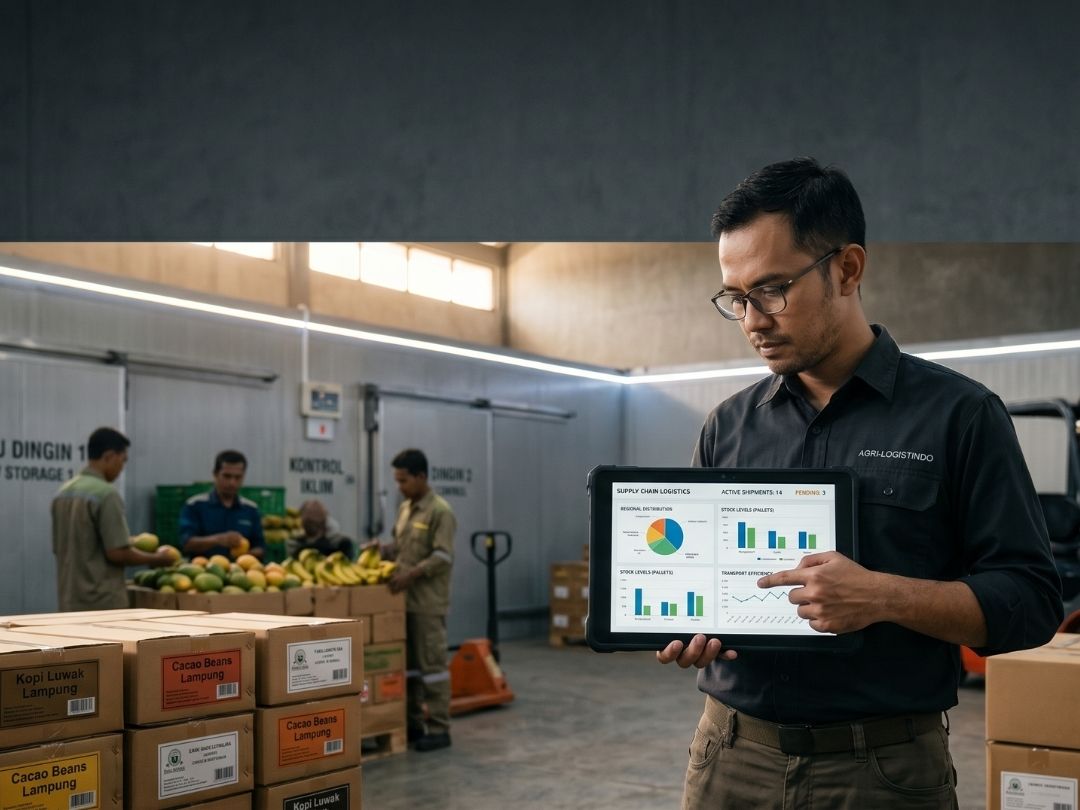
Production V1: The Quick MVP Myth in AgTech and Logistics Startups
Discover why AgTech and logistics startups must abandon the fragile MVP model and partner with an embedded engineering team to launch a stable, enterprise-ready platform.

Venture Studio vs Traditional Investors | What Your Startup Actually Needs
Learn the difference between traditional investors and a Venture Studio. Discover how Sprout and Wright Partners provide the capital, team, and tech you need.
What this looks like in production.

Building a venture that needs more than capital?
Tell us about the venture: the domain, the first user, the thing you'd ship if you had a team tomorrow. We'll assess thesis fit honestly. If we're a fit, we'll scope the engagement: team composition, timeline, cash and equity economics, governance, exit conditions. In writing, before we start. Worst case, an honest no and a referral. Best case, a product-engineering team alongside you.
Start a project